

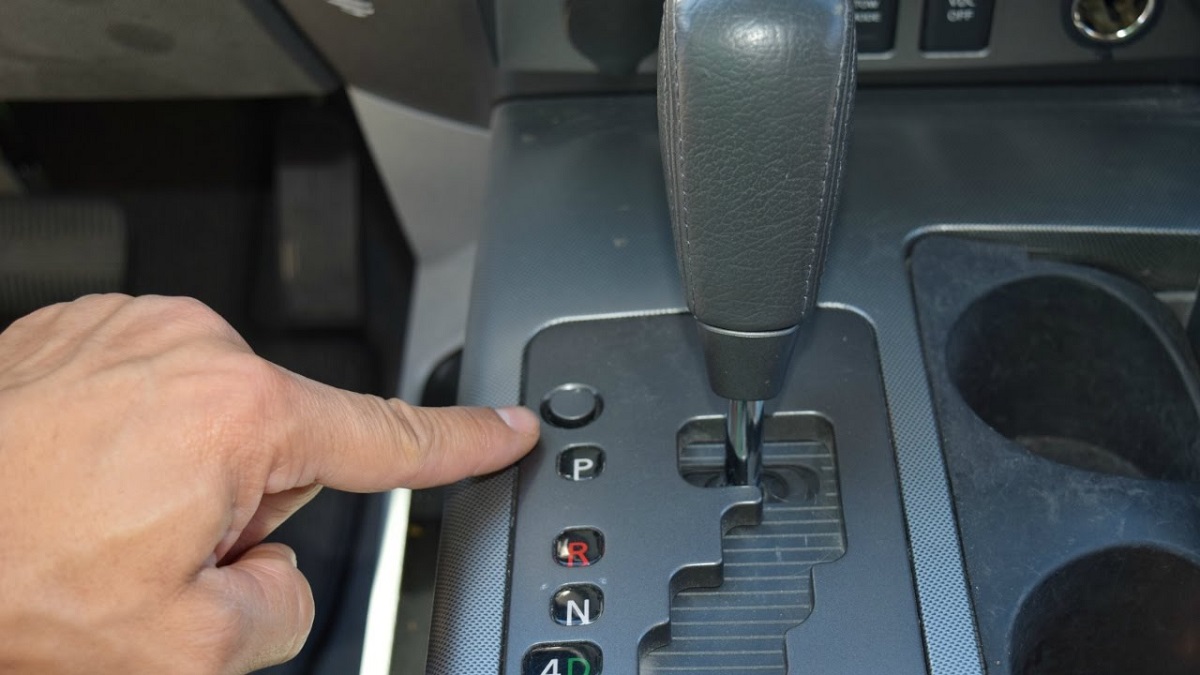
If your gear shifter is stuck, first check the brake pedal switch to ensure it signals properly when pressed. Look for a shift lock release slot near the shifter and use a key to manually unlock it. Inspect and lubricate the shifter’s linkages to remove dirt and stiffness. Also, verify your transmission fluid level and condition. If the problem persists, there may be deeper mechanical issues, and you’ll want to explore further steps to get it moving smoothly again.
Common Causes of a Stuck Gear Shifter
Although a stuck gear shifter can be frustrating, understanding its common causes can help you diagnose and fix the problem quickly. One frequent cause is low brake fluid, which affects the shift interlock system, preventing gear changes.
You might also face issues if the brake light switch is faulty since it signals when you press the brake pedal to release the shifter.
Another common culprit is debris or dirt buildup around the shifter mechanism, causing it to jam.
Additionally, mechanical wear or damage to internal components like the shift cable or linkage can stop the shifter from moving smoothly.
Checking the Gear Shift Lock Mechanism
When your gear shifter won’t move, the shift lock mechanism is often the first thing you should check. This safety feature prevents shifting out of park without pressing the brake pedal.
Start by locating the shift lock override slot near the shifter. Insert your car key or a flathead screwdriver and gently press down. This manual release can free a stuck shifter.
Also, inspect the mechanism for visible damage or debris that might block its movement. If you notice dirt or grime, clean it carefully with a soft cloth and some mild cleaner.
Testing the shifter after these steps helps determine if the issue is resolved or if further inspection is needed. Remember, addressing the shift lock mechanism often solves common gear shifter problems quickly.
Inspecting the Brake Pedal Switch
Since the brake pedal switch signals the shift lock to release, a faulty switch can cause your gear shifter to stick.
First, locate the brake pedal switch near the top of the brake pedal arm.
Check the wiring for any visible damage or loose connections.
Press the brake pedal and listen for a clicking sound from the switch, which indicates it’s working.
If you don’t hear the click, use a multimeter to test for continuity when the pedal is pressed.
No continuity means the switch is defective and needs replacement.
Also, make sure the switch is properly aligned and adjusted to activate as the pedal moves.
Fixing or replacing a faulty brake pedal switch often restores proper gear shifter function without further hassle.
Examining the Gear Shift Cable
If your gear shifter remains stuck after checking the brake pedal switch, you should examine the gear shift cable next.
Start by locating the cable under the hood or near the transmission. Look for signs of damage, kinks, or corrosion that could restrict movement. Gently wiggle the cable to see if it moves freely; if it feels stiff or stuck, the cable may be binding or broken.
Check both ends of the cable—where it connects to the shifter and the transmission—for any loose or disconnected parts. If you spot any damage or disconnection, replacing or adjusting the cable might be necessary.
Make sure the cable housing is intact and properly secured, as a loose housing can cause shifting problems.
Lubricating the Gear Shifter Components
After inspecting the gear shift cable for any damage or binding, you should turn your attention to lubricating the gear shifter components.
Start by locating the pivot points, linkages, and any moving parts around the shifter assembly. Use a penetrating lubricant or a light machine oil designed for automotive use.
Apply it sparingly to avoid attracting dirt and grime. Move the shifter through its range of motion to work the lubricant into the joints and ensure smooth operation.
Avoid using heavy grease, as it can gum up the mechanism over time. Regular lubrication helps reduce friction and prevents sticking.
Once done, wipe off any excess lubricant to keep the area clean. This simple step often restores smooth shifting without needing further disassembly.
Resetting the Gear Shifter Release Button
When your gear shifter sticks, the release button might be jammed or misaligned, preventing smooth gear changes. Start by inspecting the button closely for dirt, debris, or any visible damage. Press it several times to see if it moves freely.
If it feels stuck, try gently prying it out using a small flathead screwdriver, being careful not to damage the surrounding plastic. Once removed, clean the button and the housing with a cloth and a mild cleaner to remove grime.
After cleaning, press the button back into place firmly until you hear a click, indicating it’s properly seated. Test the shifter again; resetting the release button often restores its movement and resolves sticking issues without further disassembly.
Addressing Transmission Fluid Issues
Since transmission fluid plays a crucial role in lubricating and cooling your vehicle’s transmission, neglecting its condition can cause your gear shifter to stick or malfunction.
First, check the fluid level using the transmission dipstick when the engine is warm. If the fluid is low, top it off with the manufacturer-recommended type.
Next, inspect the fluid’s color and smell; dark, burnt-smelling fluid indicates it’s time for a complete change. Old or contaminated fluid can cause internal clogs or pressure issues, leading to a stuck shifter.
Flushing and replacing the fluid regularly helps maintain smooth shifting. If you’re comfortable, drain the old fluid and refill it, or use a transmission fluid flush service.
Proper fluid care keeps your gear shifter responsive and prevents costly damage.
When to Seek Professional Help
If your gear shifter remains stuck despite checking fluid levels and performing basic maintenance, it’s time to call a professional. Complex issues like internal transmission damage, worn shift cables, or electronic control failures require specialized tools and expertise.
Trying to fix these without proper knowledge can lead to costly repairs or safety risks. Also, if you notice unusual noises, burning smells, or the shifter slips out of gear, don’t hesitate to seek professional help immediately.
A certified mechanic can accurately diagnose the problem and recommend the right repair. Remember, timely intervention prevents further damage and ensures your vehicle stays safe and reliable.
Don’t wait until the issue worsens—get expert assistance when basic steps don’t solve the problem.
Conclusion
If your gear shifter is stuck, start by checking the lock mechanism, brake pedal switch, and shift cable. Don’t forget to lubricate the components and try resetting the release button. Sometimes, transmission fluid issues can cause problems, so keep an eye on that too. If these quick fixes don’t work, it’s best to seek professional help to avoid further damage. Taking these steps will get you back on the road safely and smoothly.