

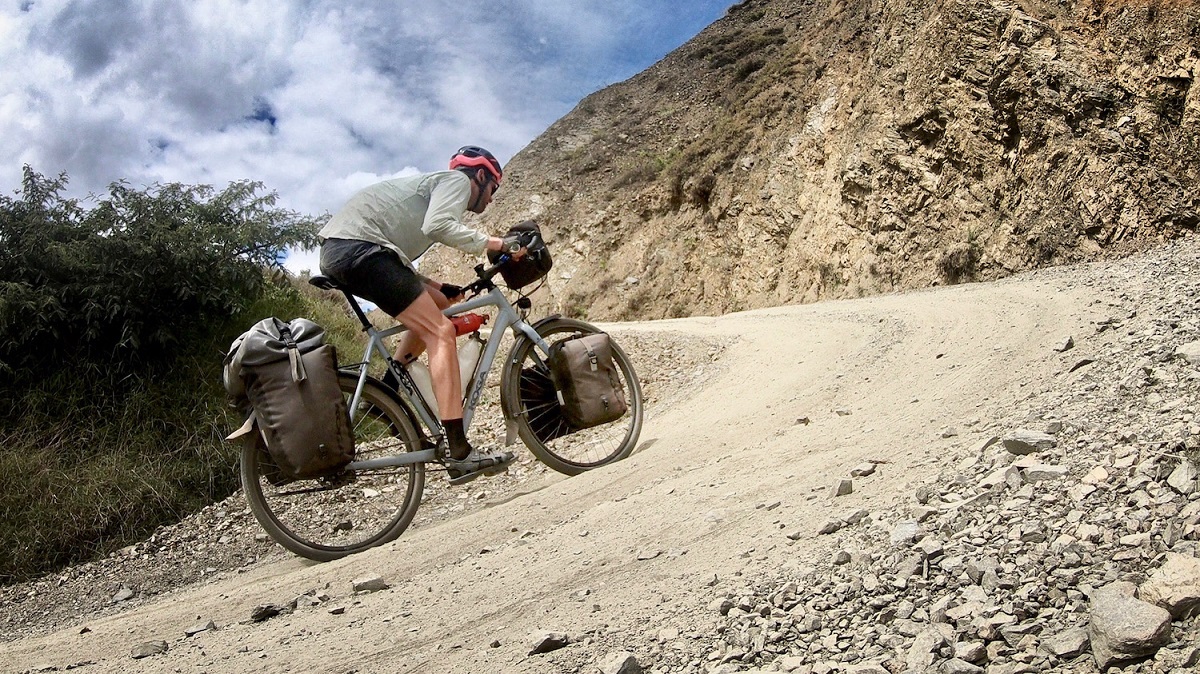
When going uphill on your bike, shift into a low gear by using a smaller front chainring and a larger rear sprocket. This setup reduces pedaling resistance, making it easier to climb steep slopes without burning out. Start shifting before the hill gets too tough, and keep your pedaling smooth and steady at a comfortable cadence, around 70 to 90 RPM. Mastering these shifts helps you conserve energy and tackle hills more efficiently. To optimize your climb, you might want to explore how gear choice varies with hill steepness and length.
Understanding Bike Gears and Their Functions
Before you tackle steep climbs, understanding how bike gears work can make all the difference. Your bike’s gears control how hard you have to pedal by changing the resistance. When you shift to a lower gear, the bike makes pedaling easier, which helps you maintain a steady rhythm uphill without exhausting yourself.
Higher gears make pedaling harder but allow you to go faster on flat terrain or downhill. Your bike has two main gear systems: the front chainrings and the rear cassette. Changing gears adjusts the chain’s position between these, altering the mechanical advantage.
Identifying the Right Gear Ratios for Climbing
When you’re climbing steep hills, choosing the right gear ratios can make your ride smoother and less tiring. You’ll want to select a low gear ratio, meaning a smaller chainring in the front paired with a larger sprocket in the rear. This combination reduces the effort needed to pedal uphill by allowing you to spin your pedals faster with less resistance.
Avoid using high gear ratios on climbs, as they demand more force and can quickly exhaust you. Pay attention to your bike’s cassette and chainring sizes; common climbing setups include a compact chainring (like 34 teeth) and a wide-range cassette (up to 32 or 36 teeth).
Techniques for Shifting Gears on Steep Hills
Although climbing steep hills can be challenging, mastering your gear shifting technique will make a significant difference in maintaining momentum and conserving energy. Start shifting into a lower gear before the incline becomes too steep, so you don’t lose speed or strain your legs.
Shift smoothly by easing off your pedaling pressure slightly when changing gears to prevent chain slips or damage. Avoid sudden, multiple gear changes; instead, make incremental adjustments to find the best resistance for your strength and the hill’s gradient.
Listen to your body and bike—if you feel the pedals getting heavy or your cadence drops, shift down to an easier gear promptly. By staying proactive with your shifts, you’ll tackle steep hills more efficiently and ride longer without unnecessary fatigue.
Maintaining Optimal Cadence During Uphill Rides
Since maintaining a steady cadence helps you conserve energy and avoid muscle fatigue, focusing on your pedal rhythm during uphill rides is crucial. Aim for a cadence between 70 and 90 revolutions per minute, which balances power and endurance.
If you pedal too slowly, your muscles tire quickly; too fast, and you waste energy. Use a cadence sensor or simply count pedal strokes to keep yourself in this range.
Stay smooth and consistent, avoiding sudden bursts or slowdowns that can sap your strength. Remember, your goal is to maintain a rhythm that feels sustainable over time, not just to push hard briefly.
Adjusting Gears Based on Hill Gradient and Length
Keeping a steady cadence sets the foundation for efficient climbing, but you’ll need to adjust your gears to match the hill’s gradient and length.
On a steep, short hill, shift to a lower gear quickly to maintain your cadence without overexerting yourself. This lets you spin smoothly and preserve energy.
For longer, gradual climbs, you can stay in a slightly higher gear, which helps maintain momentum and reduces muscle fatigue.
Pay attention to the hill’s changing gradient—downshift as the slope steepens and shift up as it eases. Anticipate these changes to avoid sudden effort spikes.
Tips for Training and Strengthening for Hill Climbing
When you want to tackle hills with greater ease, focusing on targeted training and strength-building exercises is essential. Start by incorporating hill repeats into your rides—climb a hill, recover on the descent, then repeat. This boosts your endurance and power.
Add interval training to improve cardiovascular fitness, alternating between high effort and recovery phases. Don’t neglect core and leg strength; exercises like squats, lunges, and planks enhance stability and pedal efficiency.
Stretch regularly to maintain flexibility, reducing injury risk. Nutrition and hydration also play a role—fuel your body properly before challenging climbs.
Finally, be consistent and patient; hill climbing skills develop over time. With focused training, you’ll notice smoother, stronger ascents and greater confidence on every uphill ride.
Conclusion
When you’re tackling uphill rides, choosing the right gear makes all the difference. You’ll want to shift into lower gears to keep your pedaling smooth and maintain a steady cadence without overexerting yourself. Remember to adjust based on the hill’s steepness and length, and practice shifting techniques to stay efficient. With consistent training and the right gear choices, you’ll climb hills more confidently and with less fatigue every time you ride. Keep pushing—you’ve got this!