

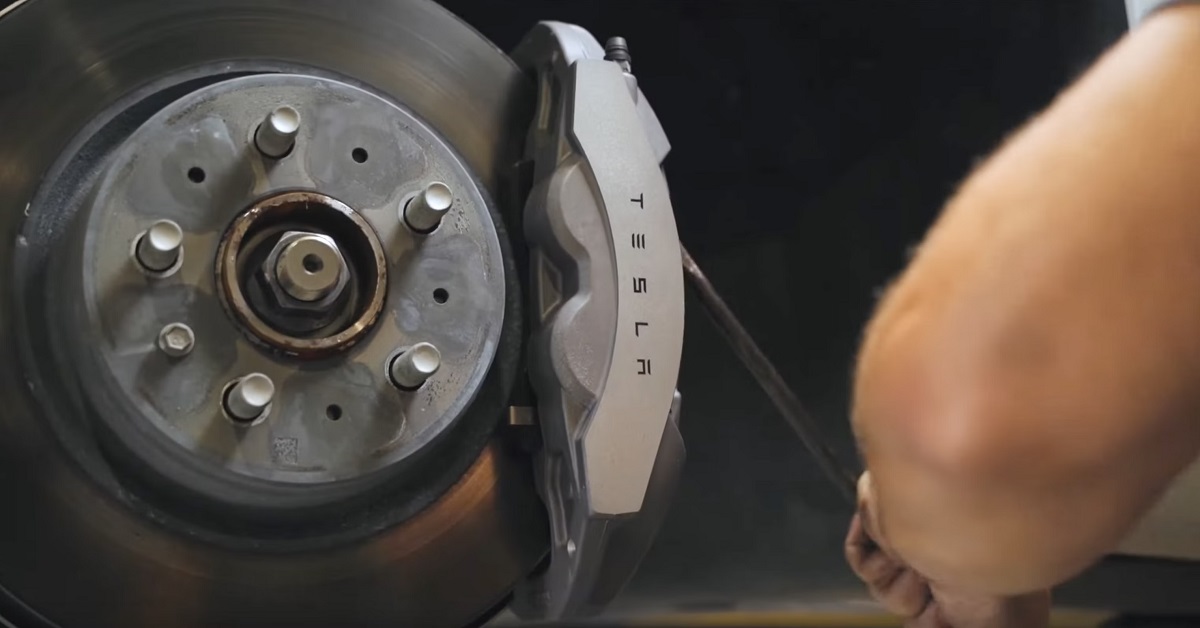
If you’re new to electric or hybrid vehicles, the concept of regenerative braking might seem a bit mysterious, especially when you wonder if it still involves the traditional brake pads you’re familiar with. Understanding the interplay between regenerative braking and conventional brake systems is key to grasping how modern vehicles optimize efficiency and safety. In this text, you’ll get a clear, in-depth look at how regenerative braking works, the role of brake pads, and what this means for your vehicle’s maintenance and performance.
Understanding Regenerative Braking
How Regenerative Braking Works
Regenerative braking is a clever technology primarily found in electric and hybrid vehicles that helps recover energy during deceleration. Instead of relying solely on friction brakes like your typical brake pads and rotors, this system captures kinetic energy that would otherwise be lost as heat when slowing down. It converts this kinetic energy into electrical energy, which is then stored in the vehicle’s battery for future use.
The process works by reversing the electric motor’s function: when you release the accelerator or apply the brakes lightly, the electric motor switches to generator mode. This resistance slows the vehicle down, while sending electricity back to the battery. It’s an elegant energy recycling mechanism that enhances a vehicle’s range and efficiency.
Benefits of Regenerative Braking
You’ll appreciate several benefits when your vehicle uses regenerative braking:
- Improved Energy Efficiency: By converting kinetic energy into electrical energy instead of wasting it as heat, your vehicle can travel farther on a single charge.
- Reduced Wear on Brake Pads: Since the system handles a significant portion of the braking, it limits how often the traditional brakes engage.
- Enhanced Driving Smoothness: Regenerative braking often provides a smoother deceleration experience, making your drive feel more refined.
- Environmental Impact: By maximizing energy reuse, regenerative braking supports lower emissions indirectly by reducing the energy demand on power plants.
This system is a key feature that makes modern electric and hybrid vehicles both eco-friendly and economical to operate.
The Role of Brake Pads in Traditional Braking Systems
How Brake Pads Function in Conventional Vehicles
In conventional vehicles, your brake pads play an essential safety role. When you step on the brake pedal, hydraulic fluid transmits pressure to calipers that squeeze the brake pads against rotating discs or drums attached to your wheels. This friction between the pads and rotors generates the force necessary to slow or stop your vehicle.
Brake pads are made from composite materials that can withstand considerable heat and provide reliable stopping power under various driving conditions. Without them, your wheels would keep spinning, and you’d have no control over deceleration.
Wear and Maintenance of Brake Pads
Over time, brake pads naturally wear down due to this frictional contact. Depending on driving habits, terrain, and vehicle design, brake pads typically last anywhere from 25,000 to 70,000 miles. Signs of worn brake pads include squeaking noises, decreased braking performance, or a pulsation felt in the brake pedal.
Regular inspection and timely replacement of brake pads are critical for your safety and for preserving the braking system’s integrity. If neglected, worn brake pads can damage the rotors, leading to more costly repairs.
Interaction Between Regenerative Braking and Brake Pads
Do Regenerative Brakes Use Brake Pads?
Here’s the straightforward answer: regenerative braking itself does not use brake pads. The slowing force during regenerative braking is generated electronically by the motor acting as a generator rather than by physical friction. This means that when your vehicle is slowing down gently or moderately, the brake pads typically don’t engage.
When Do Brake Pads Engage in Vehicles with Regenerative Braking?
Brake pads still play a vital role, though, especially in scenarios where regenerative braking alone cannot provide enough stopping power. For example:
- When you press the brake pedal harder for a quicker stop,
- When your battery is fully charged and cannot accept additional electricity,
- During low-speed maneuvers like parking, where fine control is needed,
- If the regenerative system is temporarily disabled or malfunctioning.
In these instances, your vehicle switches to traditional friction brakes to complement or fully handle the braking process. So, although regenerative braking reduces the frequency of brake pad use, it doesn’t make them obsolete.
Impact of Regenerative Braking on Brake Pad Longevity
Advantages and Limitations of Using Both Systems
Thanks to regenerative braking, your brake pads last significantly longer than in conventional vehicles. Because the system recaptures much of the braking demand, physical brake contact is reduced, which means less wear and fewer replacements over the vehicle’s lifespan.
But, it’s important to note some trade-offs:
- Brake pads can develop issues even with lighter use, such as glazing from infrequent full stops or corrosion in humid climates.
- Drivers unfamiliar with regenerative braking might override the system, not realizing they’re placing more wear on brake pads.
- When brake pads are eventually replaced, mechanics need to be aware of the integrated system to ensure proper maintenance.
Eventually, this synergy between regenerative and traditional braking systems offers a balanced approach: you get enhanced efficiency without compromising safety or brake performance.
Future Trends in Braking Technology
Innovations Complementing Regenerative Braking
Braking technology is continually evolving, with exciting innovations on the horizon that build on regenerative principles. For instance:
- Brake-by-Wire Systems: Eliminating mechanical linkages, these systems use electronic controls to optimize both regenerative and friction braking seamlessly.
- Advanced Energy Recovery Techniques: Researchers are exploring ways to increase the proportion of energy captured during braking, even in stop-and-go traffic.
- Integration with Autonomous Vehicles: Future self-driving cars will rely heavily on precise brake control to maximize efficiency and safety, potentially expanding regenerative braking’s role.
These trends suggest a future where regenerative braking becomes even smarter, more effective, and integrates fluidly with other vehicle systems. As a driver, you can expect longer brake component life, better energy use, and smoother rides with each leap forward.
Conclusion
So, does regenerative braking use brake pads? The short is no, regenerative braking slows your vehicle using the electric motor, not brake pads. But those pads remain essential, stepping in when extra stopping power or precise control is necessary. Thanks to regenerative braking, your pads will wear much more slowly and require less frequent replacement.
Understanding this relationship helps you better grasp how modern vehicles balance technology to deliver efficient, safe driving. As regenerative braking technology advances, you’ll enjoy even more energy savings and reduced maintenance hassles, making it a win-win for drivers and the environment alike.