

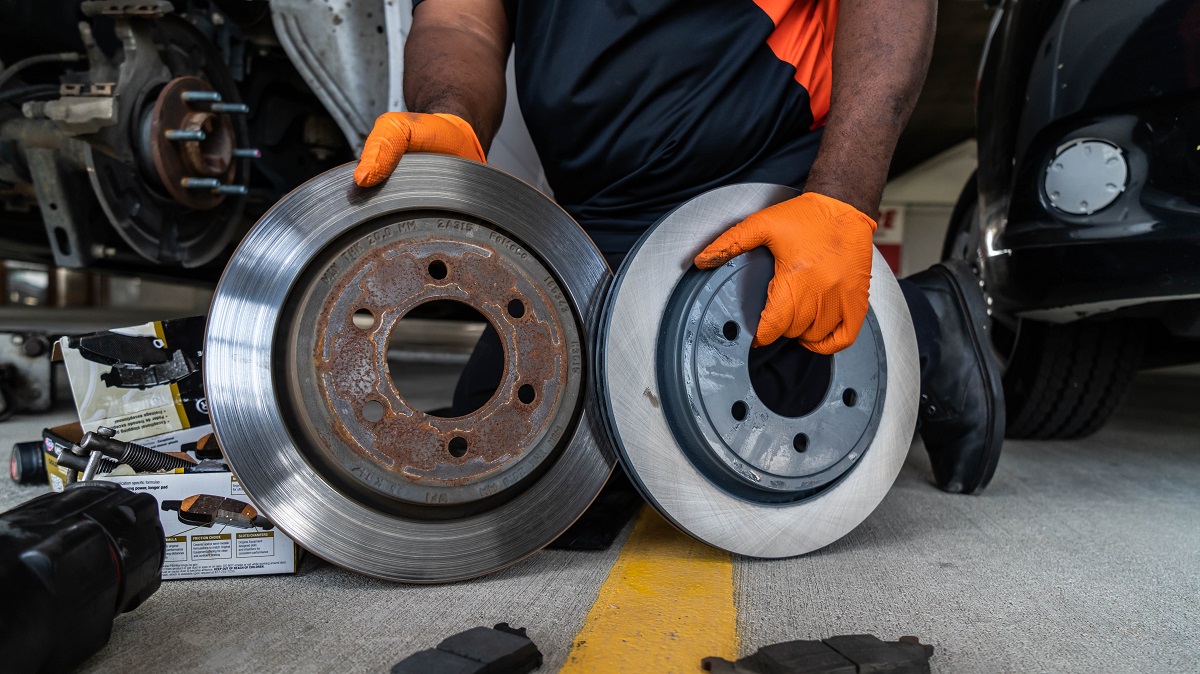
When it comes to maintaining your vehicle’s braking system, one common question is whether you need to replace the rotors when you change the brake pads. Understanding when rotor replacement is necessary can save you money and ensure your brakes perform safely and effectively. This article breaks down the key signs and factors that help you decide if your rotors can last or if they need to be swapped alongside the pads.
Understanding The Role Of Rotors And Brake Pads
Your vehicle’s braking system relies heavily on two critical components: rotors and brake pads. Rotors are the flat, circular discs attached to your wheels. When you press the brake pedal, the brake pads clamp down onto these rotors to slow the wheel’s rotation through friction, bringing your vehicle to a halt.
Brake pads are the friction material mounted on calipers that press against the rotors. Over time, brake pads wear down due to this constant friction, necessitating replacement. Rotors also experience wear, but their replacement depends on various factors such as thickness, surface condition, and usage. Knowing how these parts work together lets you make informed decisions about maintenance and replacements.
Signs That Indicate Rotor Replacement Is Necessary
Sometimes, you can replace brake pads without touching the rotors, but certain symptoms suggest the rotors need attention. Key signs include:
- Vibration or Pulsation When Braking: A common indicator of warped or uneven rotors.
- Visible Grooves or Scoring: Deep scratches on rotor surfaces mean the rotors are damaged.
- Squealing or Grinding Noise: Can signify rotor wear or contact with worn pads.
- Brake Pedal Pulses: Felt through the pedal often ties back to rotor distortion.
If you notice any of these signs, it’s a strong indication you should replace the rotors along with the brake pads to maintain stopping performance and safety.
When Can You Replace Brake Pads Without Changing Rotors?
Replacing brake pads alone is possible and common, but it depends on several considerations surrounding your rotors. Let’s jump into the factors influencing that decision and what measurements to check.
Factors Influencing Rotor Replacement Decisions
Your choice to replace rotors depends on their physical state and how the vehicle is used. Even if rotors look okay visually, internal issues like thickness below safety limits or surface hardening affect braking efficiency.
Rotor Thickness And Wear Limits
Every rotor comes with a manufacturer-specified minimum thickness, usually stamped on its edge. If the rotor is above this limit after measuring with a micrometer, you can generally reuse it. If it’s thinner, replacement is essential, as thinner rotors can overheat and warp quicker.
Rotor Surface Condition And Damage
Minor surface rust or slight discoloration is usually harmless. But, deep grooves, cracks, heat spots, or blue discoloration mean the rotor’s integrity has deteriorated. In such cases, resurfacing might be possible if the thickness allows it: otherwise, replacement is necessary.
Vehicle Usage And Driving Conditions
Vehicles driven primarily in stop-and-go traffic or mountainous areas put more strain on rotors. Heavy duty or performance vehicles often require rotor changes more frequently. If your driving involves such conditions, erring on the side of rotor replacement with brake pads ensures peak braking performance.
The Risks Of Not Changing Rotors With Brake Pads
Choosing not to replace worn or damaged rotors when installing new brake pads can lead to several issues:
- Reduced Brake Efficiency: Worn rotors can cause uneven pad contact, reducing stopping power.
- Increased Wear On New Pads: Rough or warped rotors accelerate new pad degradation, resulting in more frequent replacements.
- Brake Noise and Vibration: You may experience pulsing or squealing, compromising comfort and control.
- Safety Hazards: Ineffective braking increases stopping distances and heightens accident risks.
In essence, skipping rotor replacement when needed undermines both your vehicle’s safety and maintenance investment.
Cost Considerations: To Replace Or Resurface Rotors?
When rotors show signs of wear but haven’t reached their minimal thickness, resurfacing (or turning) can be an option. This process removes a thin layer from the rotor surface to smooth out unevenness.
Pros of Resurfacing:
- Typically cheaper than buying new rotors.
- Restores surface smoothness for effective braking.
Cons of Resurfacing:
- Reduces rotor thickness, potentially pushing it below safe limits.
- Not possible with severely warped or cracked rotors.
- May not fix deep grooves or damage.
In many cases, modern brake rotors are relatively affordable, and replacing them outright can be a better investment for long-term reliability. But, if resurfacing restores your rotors within specifications, it’s a valid cost-saving alternative. Always consult a trusted mechanic to get an accurate assessment.
How To Properly Replace Brake Pads And Rotors
Doing a proper replacement of brake pads along with rotors ensures lasting performance and safety. Here’s a high-level overview of the process:
- Preparation: Park on a level surface, engage parking brake, and loosen lug nuts.
- Remove the Wheel: Use a jack to lift the vehicle and take off the wheel to access brakes.
- Remove Caliper and Old Pads: Unbolt the caliper carefully and support it to avoid strain on brake lines.
- Remove Old Rotors: Depending on your vehicle, rotors might need screws removed or may slide off easily.
- Inspect and Clean: Check calipers, brake lines, and hardware: clean the area to prevent contamination.
- Install New Rotors: Place new rotors and secure them properly.
- Install New Pads and Reassemble: Fit new pads and reattach the caliper.
- Wheel and Test: Put wheels back on, lower the vehicle, tighten lug nuts, and test the brakes gently.
If you’re unsure about any step, consulting professional mechanics is recommended to avoid errors that affect brake safety.
Maintenance Tips To Extend Rotor And Brake Pad Lifespan
To get the most out of your brake system, consider these maintenance tips:
- Avoid Hard Braking: Gradual stops reduce heat buildup and rotor wear.
- Keep Your Wheels and Brakes Clean: Dirt and debris accelerate wear.
- Regular Brake Inspections: Catch issues before they escalate.
- Use Quality Brake Pads: They wear rotors less aggressively.
- Brake Fluid Maintenance: Replace fluid as per schedule to ensure consistent brake performance.
Consistently following these habits will help extend the lifespan of both your rotors and brake pads, improving overall driving safety and saving you money over time.
Conclusion
In most cases, whether you need to change rotors with brake pads depends on rotor condition and your driving habits. While it’s possible to replace pads alone when rotors remain within thickness specs and free from damage, ignoring rotor wear can compromise your brakes’ effectiveness and safety. Paying attention to signs like vibration or visible damage can guide your decision. When in doubt, replacing rotors along with pads is the safer, more reliable choice that ensures optimal braking performance. Maintaining your brake components with care eventually protects you and everyone on the road.