

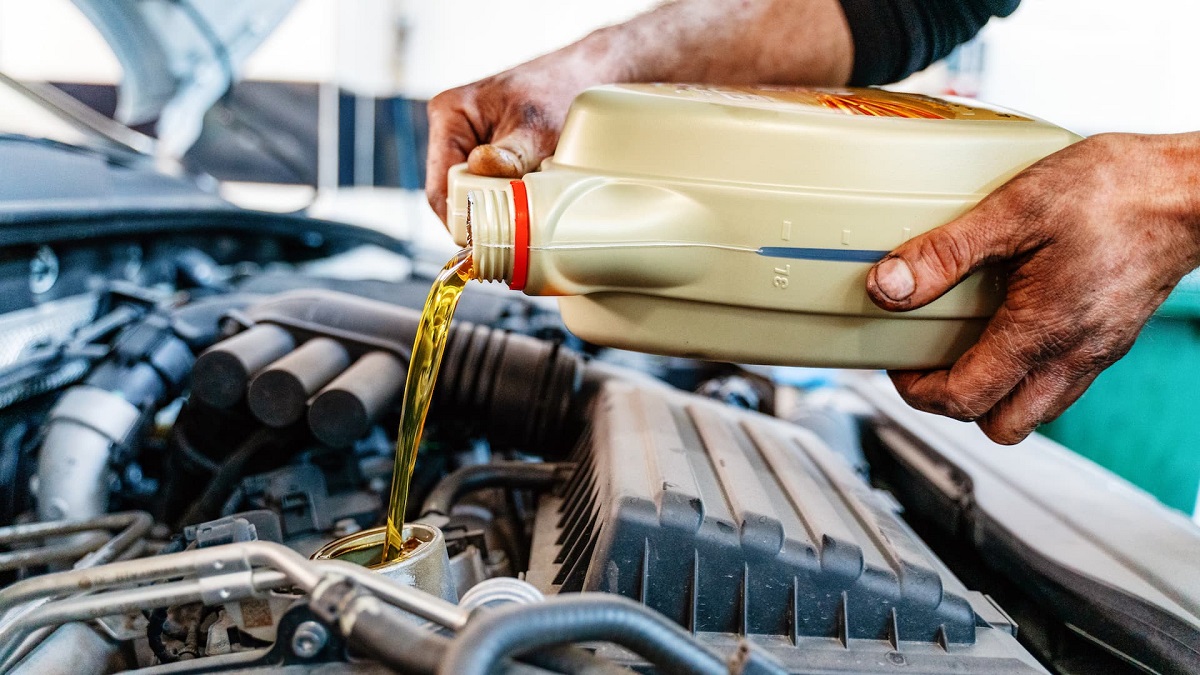
You shouldn’t use gear oil as a substitute for transmission fluid because they’re formulated differently for specific parts of your vehicle. Gear oil is thicker and designed to handle heavy loads and pressure in gears, while transmission fluid is thinner, lubricates moving transmission parts, and helps with gear shifting. Using the wrong one can cause damage or poor performance. If you want to understand their roles and how to choose the right fluid, keep exploring this topic.
What Is Gear Oil?
What makes gear oil different from other lubricants? You’ll notice it’s specially formulated to protect the gears in your vehicle’s transmission and differential.
Unlike engine oil, gear oil has a much thicker consistency and higher viscosity, allowing it to handle intense pressure and friction between metal gears. When you’re driving, those gears generate heat and stress, and gear oil’s additives help prevent wear, corrosion, and overheating.
It’s designed to cling to gear surfaces and maintain lubrication even under extreme conditions. If you’re working with manual transmissions or differentials, gear oil is what you need to ensure smooth, reliable performance.
Using the right gear oil helps extend the life of your vehicle’s drivetrain components, keeping everything running quietly and efficiently.
What Is Transmission Fluid?
Although gear oil handles heavy-duty lubrication for gears, transmission fluid plays a different role in your vehicle’s operation. Transmission fluid lubricates the moving parts inside your transmission system, helping reduce friction and wear. It also acts as a hydraulic fluid, enabling smooth gear shifts by transferring power within the transmission.
Additionally, it cools the transmission by carrying heat away from critical components. You’ll find transmission fluid in automatic transmissions, continuously variable transmissions (CVTs), and some manual transmissions.
Unlike gear oil, transmission fluid is designed to flow easily and maintain consistent performance across a wide temperature range. Keeping your transmission fluid clean and at the proper level is vital for your vehicle’s smooth operation and longevity. Neglecting it could lead to costly transmission repairs.
Key Differences in Composition and Viscosity
Since gear oil and transmission fluid serve distinct functions, their composition and viscosity differ significantly to meet those needs.
Gear oil contains thicker base oils and extreme pressure additives to handle the high loads and metal-on-metal contact inside gearboxes. This makes it much more viscous, especially at lower temperatures, providing a protective film that prevents wear and damage.
Transmission fluid, on the other hand, is thinner and formulated with friction modifiers and detergents to ensure smooth shifting and keep internal parts clean. Its lower viscosity allows it to flow easily through the transmission’s complex channels and hydraulic systems.
When choosing between the two, you have to consider these differences, as using the wrong fluid can lead to poor performance or even mechanical failure.
Functions of Gear Oil in a Vehicle
When you look under the hood, gear oil plays a crucial role in protecting and lubricating the vehicle’s drivetrain components. You rely on gear oil to reduce friction between gears, bearings, and shafts, ensuring smooth power transfer from the engine to the wheels.
It also helps dissipate heat generated by the constant meshing of metal parts, preventing overheating and premature wear. Gear oil forms a thick, protective film that resists pressure and prevents metal-to-metal contact, which is essential in high-load environments like differentials and manual transmissions.
Additionally, it protects against corrosion and contamination from dirt or moisture. By maintaining proper lubrication and protection, gear oil helps extend the lifespan of your drivetrain and keeps your vehicle running efficiently under demanding conditions.
Roles of Transmission Fluid in Automotive Systems
How does transmission fluid keep your vehicle’s transmission running smoothly? It lubricates the moving parts inside the transmission, reducing friction and wear. Without it, metal components would grind against each other, causing damage.
Transmission fluid also acts as a coolant, drawing heat away from the transmission to prevent overheating. Additionally, it helps transmit hydraulic pressure, which enables your transmission to shift gears efficiently.
By keeping the system clean, transmission fluid prevents buildup of sludge and contaminants that can impair performance. You rely on its precise formulation to maintain smooth gear changes, protect against corrosion, and extend your transmission’s lifespan.
In short, transmission fluid plays a critical role in ensuring your vehicle drives safely and efficiently.
Types of Vehicles That Use Gear Oil vs. Transmission Fluid
Understanding the role of transmission fluid helps clarify why different vehicles require either gear oil or transmission fluid. If you drive a car with an automatic transmission, it likely uses transmission fluid to lubricate and cool its complex system.
Manual transmissions and many trucks, on the other hand, often rely on gear oil due to its thicker consistency and ability to handle higher pressure. Off-road and heavy-duty vehicles, such as SUVs and commercial trucks, typically use gear oil in their differentials and transfer cases to protect gears under tough conditions.
Meanwhile, most standard passenger cars with automatic transmissions stick to transmission fluid. Knowing your vehicle type and transmission system helps you choose the right lubricant, ensuring optimal performance and longevity.
Consequences of Using the Wrong Fluid
Using the wrong fluid can seriously damage your vehicle’s transmission or differential. If you put gear oil where transmission fluid belongs—or vice versa—you risk improper lubrication and excessive wear.
Gear oil is thicker and designed for heavy-duty protection, while transmission fluid is thinner and formulated for smooth gear shifts. Using the wrong type can cause overheating, increased friction, and premature component failure.
You might notice grinding gears, slipping, or delayed engagement. Over time, seals and gaskets may deteriorate, leading to leaks.
Repairs from such damage can be costly and time-consuming. To avoid these problems, always stick to the recommended fluid type for your vehicle.
Ignoring this simple step puts your transmission’s performance and longevity in jeopardy.
How to Identify the Correct Fluid for Your Vehicle
Choosing the right fluid for your vehicle isn’t always straightforward, especially with so many options available. Start by checking your owner’s manual—it clearly specifies whether your car needs gear oil, transmission fluid, or both. Look for the recommended type, viscosity, and specifications.
Next, identify the transmission type your vehicle uses: automatic, manual, or transfer case. Automatic transmissions usually require ATF (automatic transmission fluid), while manual gearboxes often need gear oil.
Don’t rely on color alone, as fluids can look similar. Also, examine the fluid cap or dipstick, which often indicates the correct fluid type.
When in doubt, ask a professional mechanic or visit your dealership. Using the exact fluid prevents damage and keeps your vehicle running smoothly.
Maintenance Tips for Gear Oil and Transmission Fluid
Although gear oil and transmission fluid serve different purposes, both require regular maintenance to keep your vehicle performing well. You should check fluid levels often and top off as needed to avoid damage from low lubrication.
Follow your owner’s manual for recommended change intervals—old or contaminated fluid can lead to gear wear or transmission issues. When changing fluids, use the correct type and grade to ensure proper protection.
Also, inspect for leaks around seals and gaskets and address them promptly. Keeping the fluids clean helps prevent overheating and extends component life.
Finally, if you notice unusual noises, shifting problems, or leaks, have a professional inspect your gear oil and transmission fluid system right away to avoid costly repairs.
Conclusion
Now that you know gear oil and transmission fluid aren’t the same, it’s important to use the right one for your vehicle. Gear oil handles heavy-duty lubrication in differentials and manual transmissions, while transmission fluid supports smooth shifting in automatics. Using the wrong fluid can cause serious damage and costly repairs. Always check your owner’s manual and maintenance guidelines to keep your vehicle running smoothly and avoid unnecessary problems down the road.