

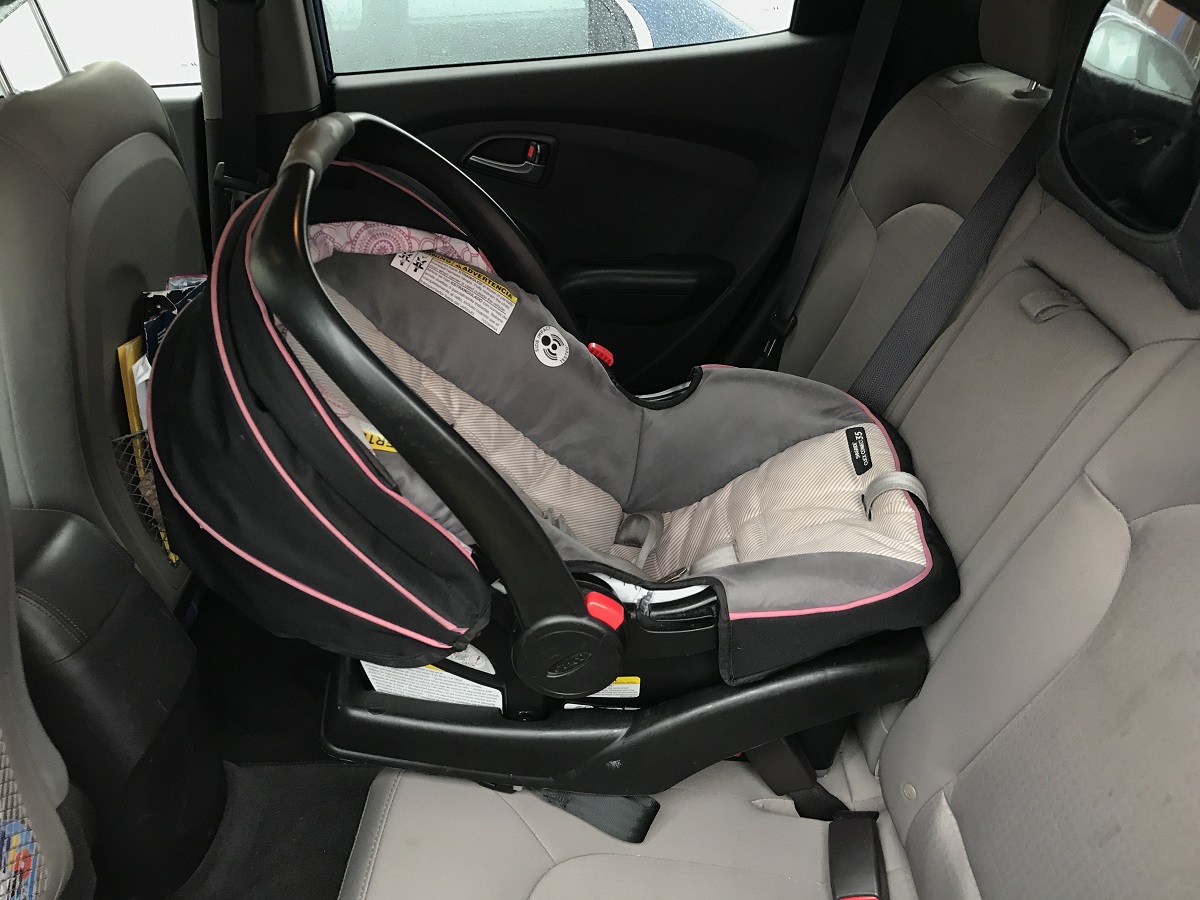
Choosing the safest spot for a car seat can feel overwhelming. You might wonder if placing it in the middle of the back seat is really the best choice for your child’s safety. This question comes up often because the middle seat is often considered the safest position in a vehicle.
Understanding why the middle seat might offer extra protection can help you make an informed decision. You want to ensure your child is as secure as possible during every trip. Let’s explore the benefits and considerations of putting a car seat in the middle and what experts recommend for keeping your little one safe on the road.
Understanding Car Seat Placement
Choosing the right seat for your car seat impacts your child’s safety. Knowing factors involved in car seat placement helps you make the best choice.
The Importance of Choosing the Right Seat
Picking the correct seat position minimizes injury risk in crashes. The middle of the back seat often ranks safest because it maximizes distance from side-impact zones. However, not all vehicles accommodate car seats properly in this spot, affecting installation quality and restraint function. Check your vehicle manual to confirm compatibility before use.
Safety Considerations for Car Seats
Securing the car seat correctly matters more than location. Your car seat must fit your child’s age, weight, and height while matching the vehicle’s seat design. Using lower anchors or the seat belt as directed ensures firm installation. Remember, a tightly installed car seat reduces movement during sudden stops or collisions, enhancing protection regardless of placement.
Benefits of the Middle Seat
The middle seat offers distinct advantages for car seat placement related to safety. Understanding these benefits helps you make the best choice for your child’s protection.
Enhanced Safety Features
The middle seat places your child farther from potential impact zones during side collisions, reducing exposure to direct force. Many vehicle manufacturers design the center position with extra padding or reinforced structures, increasing crash protection. When your car seat fits securely in the middle, it minimizes movement during sudden stops or crashes, enhancing overall safety. Using the middle seat allows you to maintain optimal distance from doors, limiting injury from shattered glass or intruding objects.
Reduced Risk of Injury in Collisions
Placing a car seat in the middle reduces the chances of injury during side-impact collisions, which account for a significant portion of vehicle crashes. The added buffer zone from both sides delays contact with hard surfaces, lessening blunt force trauma. In frontal crashes, the center position helps distribute crash forces evenly, protecting your child from concentrated impact. This seat location also keeps your child clearer from airbag deployment zones, preventing potential harm linked to airbag inflation.
Challenges of Placing a Car Seat in the Middle
Placing a car seat in the middle seat may improve safety, but it involves practical challenges that affect installation, convenience, and comfort. Understanding these hurdles helps you decide if the middle seat suits your car and family needs.
Installation Difficulties
Securing a car seat in the middle often proves harder due to limited space and awkward seat shapes. You face tighter clearance between the car seat and vehicle doors, complicating proper angle adjustments. You must ensure the car seat remains firmly installed without excessive movement, which becomes difficult when the middle seat cushions or floor contours vary significantly. Improper installation increases injury risks, so prioritize thorough checks with every placement.
Lack of LATCH Anchors in Some Vehicles
Many vehicles do not offer lower anchors or tether points for the middle seat. Without LATCH (Lower Anchors and Tethers for Children) anchors, you rely solely on seat belts for installation. Securing a car seat using only a seatbelt demands careful routing and tight locking. You might find it hard to achieve a snug fit, which weakens the intended protection. Verify your vehicle’s manual to confirm whether the middle seat includes LATCH hardware before making your choice.
Comfort and Accessibility Issues
The middle seat often provides less cushioning and less adjustable headrests than outboard seats. You risk less comfort for your child, especially on longer trips. You also face difficulty accessing buckles or adjusting the harness when the seat is in the center. If other passengers occupy the side seats, maneuvering the car seat or helping your child get in and out grows more cumbersome. Consider whether daily convenience offsets potential safety gains in this spot.
Alternatives to the Middle Seat
Choosing a car seat location depends on balancing safety, installation ease, and comfort. While the middle seat offers protection, exploring side seat options provides practical alternatives without compromising safety.
Side Seat Placement Options
Position a car seat on the rear passenger-side or driver-side seats when the middle seat presents installation challenges or comfort issues. Install rear-facing seats on either side to allow easier access and better monitoring of your child. Secure the seat using LATCH anchors available in most side seats, which often provide a firmer hold than seat belts alone. Adjust the seat angle carefully to avoid slumping, especially in smaller vehicles with narrow middle seats. Use side seats if your vehicle lacks proper middle seat restraints or if the seat shape hampers a tight car seat fit.
Comparing Safety of Different Positions
Place your child in the middle seat when your vehicle’s design supports a proper, secure installation with LATCH anchors or a tight seat belt fit. Use side seats as a safe alternative if the car seat installs more securely there, considering that improper installation increases injury risk more than seat location. Remember that both side seats provide substantial protection, as modern car designs include side-impact airbags and reinforced door structures. Prioritize installation quality and comfort over theoretical safety advantages; a correctly installed side seat can offer similar protection to a middle seat installed with difficulty.
Expert Recommendations on Car Seat Placement
Car seat placement influences your child’s safety during travel significantly. Understanding expert advice helps you make the best decisions based on your vehicle and child’s needs.
Guidelines from Safety Organizations
The National Highway Traffic Safety Administration (NHTSA) recommends placing car seats in the back seat at least 13 inches away from the dashboard. It identifies the middle of the back seat as the safest spot since it’s farthest from potential impact zones on both sides. The American Academy of Pediatrics (AAP) echoes this view, emphasizing proper installation over location. They stress that if the middle seat lacks proper anchors or space, installing the seat securely on either side is preferable. The Insurance Institute for Highway Safety (IIHS) highlights the importance of using LATCH anchors where available, often found on rear side seats rather than the middle seat, for firmer installation.
Real-World Studies and Statistics
Data from IIHS crash tests indicate children seated in the middle of the back seat experienced 43% fewer injuries in side-impact crashes compared to those seated on the sides. However, IIHS also reports that improperly installed seats significantly reduce protection regardless of placement. Research published by the University of Michigan Transportation Research Institute shows nearly 50% of car seats installed in the middle seat face fit or installation issues due to limited space or lack of anchors. Conversely, studies reveal that a firmly installed side-seat car seat can provide safety comparable to a middle seat car seat installed with difficulty or incorrectly. Your priority should be a secure installation; selecting the position that allows proper fitting and harness adjustment improves safety outcomes.
Conclusion
Choosing the right spot for your child’s car seat is about more than just tradition or convenience. While the middle seat often offers added protection, it’s only as safe as the installation you can achieve there. If space or anchors make the middle tricky, placing the seat securely on either side is a smart alternative.
Focus on a snug fit, proper harnessing, and following your vehicle’s guidelines to keep your child as safe as possible. Remember, the best location is the one where you can confidently install the seat without compromise. Your child’s safety depends on how well the seat is secured—not just where it sits.